
Botsync secures $11 million funding led by IvyCap Ventures
The round also saw participation from Capital 2B, AppWorks, Iterative, AngelCentral, Genesis Alternative Ventures and angel investor Nalin Advani.
 2 min read
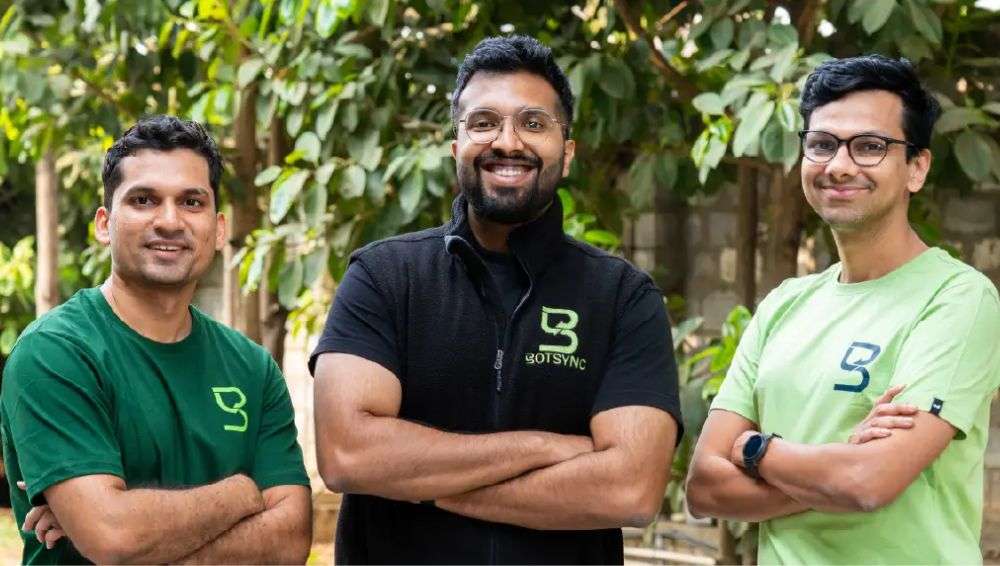
Singapore-based industrial automation startup Botsync has raised $11 million in a funding round led by venture capital firm IvyCap Ventures.
The round also saw participation from Capital 2B, AppWorks, Iterative, AngelCentral, Genesis Alternative Ventures and angel investor Nalin Advani.
The startup will use the fresh capital to strengthen its AI and robotics capabilities, expand its automation solutions for factories and warehouses, and grow its presence across Australia, the US, Singapore, India, Thailand and Indonesia.
Founded in 2017 by Nanyang Technological University graduates Rahul Nambiar, Nikhil, Prashant and Singaram, Botsync develops robotics and AI-powered automation solutions for factories and warehouses, including autonomous mobile robots and its SyncOS platform.
Commenting on the investment, Vikram Gupta, founder and managing partner at IvyCap Ventures, said the future of industrial automation lies in connecting robots, machines and software systems to build integrated operations. He added that Botsync's Physical AI platform could help manufacturers improve productivity, optimise workflows and strengthen operational efficiency.
The latest funding comes after Botsync's Series A extension in January 2026, which was led by SGInnovate. With the latest investment, the startup's total funding has crossed $20 million.
The investment comes amid growing interest in robotics, industrial automation and AI-led solutions as manufacturers increasingly adopt technology to improve productivity and streamline operations.
The global industrial automation market size was estimated at $272.51 billion in 2025, according to a report by market intelligence firm Fortune Business Insights. The market is expected to rise from $299.21 billion in 2026 to USD 632.12 billion by 2034, expanding at a CAGR of 9.80% from 2026 to 2034.