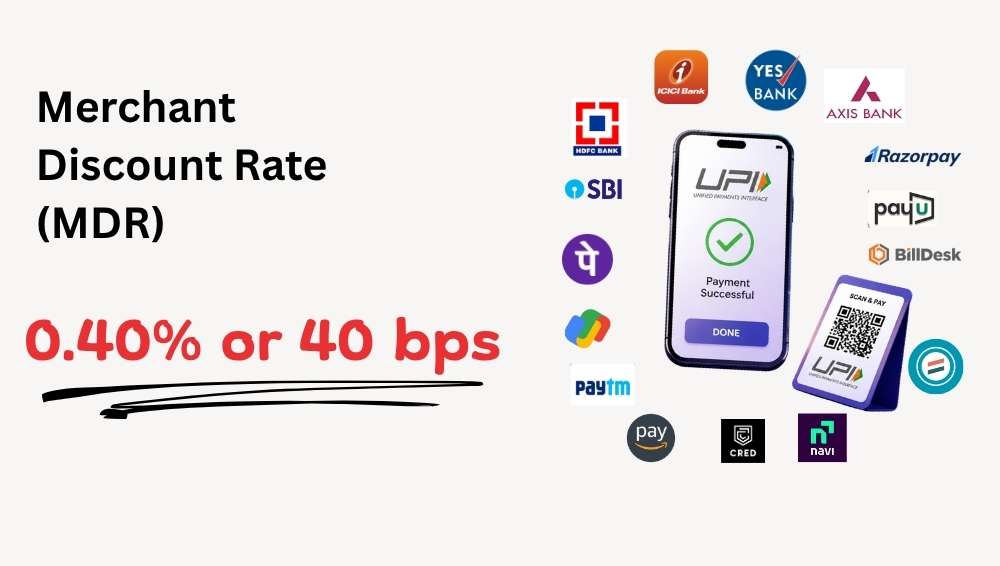
UPI MDR Explained: Who really gets the 40 basis points, and how much
UPI's new 0.4% MDR grabbed headlines, but the real story is who profits. By our estimates, the top three UPI apps could get up to 40% of the MDR split.
In-depth reporting, market intelligence, and analytical commentary on deepdives.
UPI's new 0.4% MDR grabbed headlines, but the real story is who profits. By our estimates, the top three UPI apps could get up to 40% of the MDR split.
What began as a one-off dispute in which ICICI Bank quietly initiated interchange reimbursement fee (IRF) claims over MCC misuse is now turning into an industry-wide contest.
PharmEasy's comeback followed a costly Thyrocare bet, founder's cash-outs, and a founder-investor deal outside the captable.
PhonePe has emerged as the lowest bidder, but the economics behind the mandate raise questions about how much the company is willing to pay for growth.
A simple way to look at it is: Meta may have finally found a way to monetize WhatsApp; Cred gets fresh capital; and Kunal Shah gets a global role. But is that really the whole story?
New-age startup IPO class faces a reality check. Stocks have stumbled, yet early investors are cashing out.
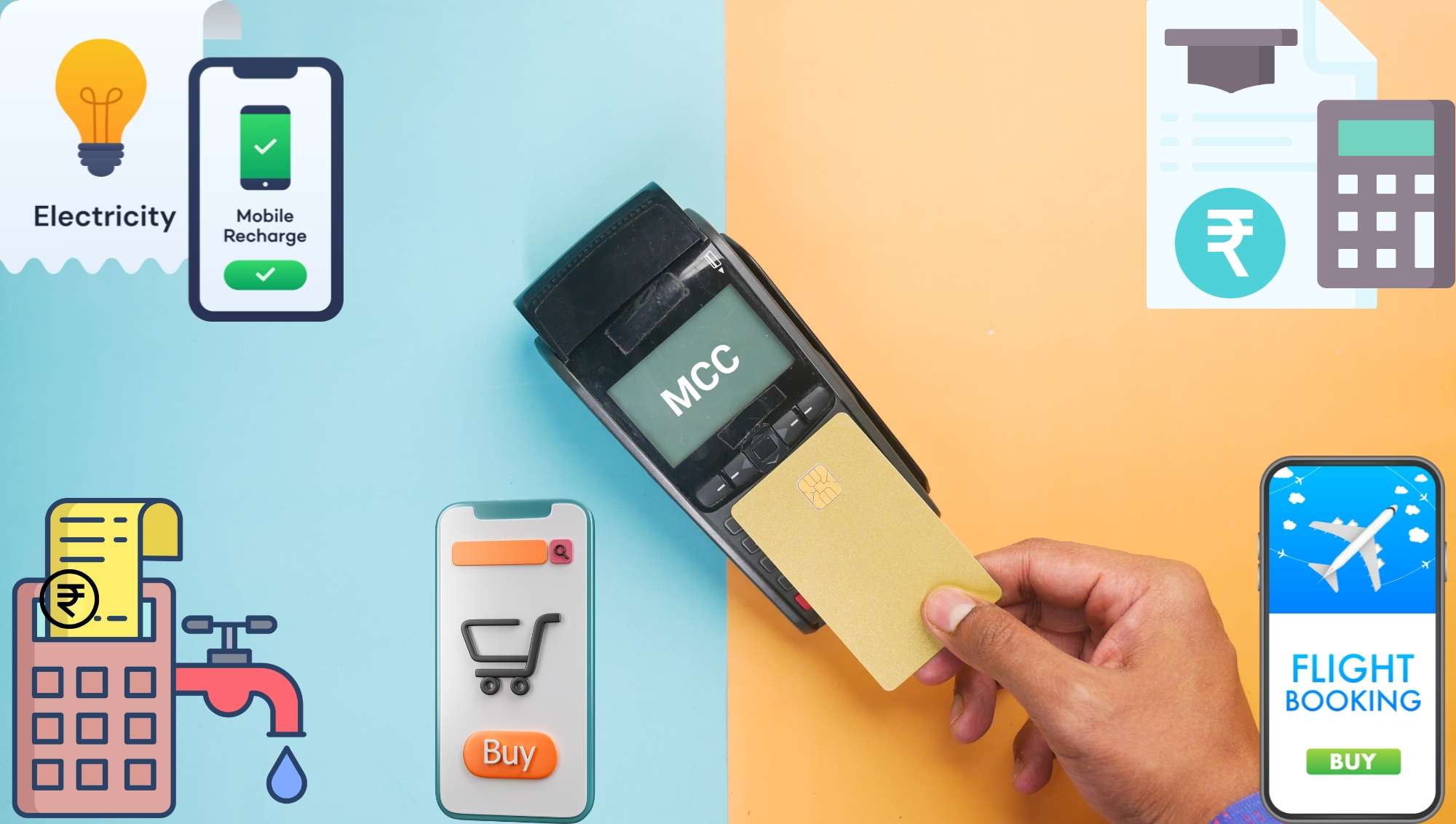
The story behind ICICI Bank's interchange recovery effort starts with merchant category codes and the economics they shape.
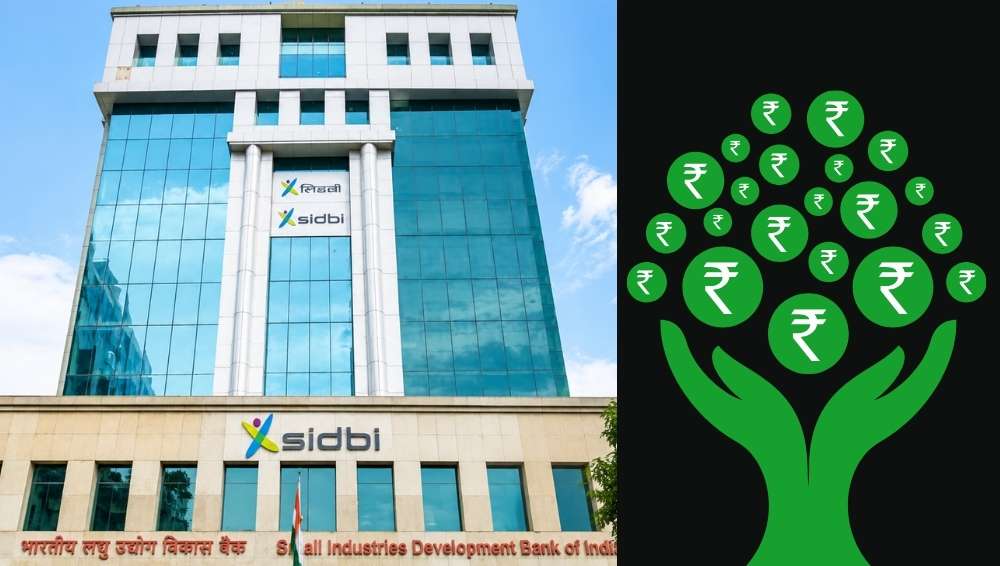
Ten years after the launch of SIDBI's Fund of Funds, it is time to examine how the institution evolved alongside India's startup ecosystem.
Cashfree, which had attracted fresh venture funding early last year, has been on the block for the last three to four months.
Some payment aggregator companies have faced penalties by card networks for misclassifying merchants under the utility merchant category codes.
The Reserve Bank of India has cancelled the licence of Paytm Payments Bank, bringing a long-running regulatory standoff to an end.
The IOCL, BPCL and HPCL deals reflect a quiet realignment in PSU fuel payment mandates.
The RBI has directed payment aggregators to stop the misuse of education merchant category codes (MCC)...
BillDesk is one of the few major payment aggregators in the country with no offline play.
Two years after the RBI halted commercial card-based vendor payments, the regulator has now turned its attention to another 'corporate credit card' structure.
After regulatory tightening, fintech lending adapted through MSMEs and LAP – creating growth that looks safer, but may not be.
Private market valuations, unsecured loan books and tighter regulation are forcing India's fintech lending companies to rethink their IPO plans…
The RBI's ban on Navi in 2024 marked a turning point for fintech lending. Nearly a year on, the sector is still searching for a restart.
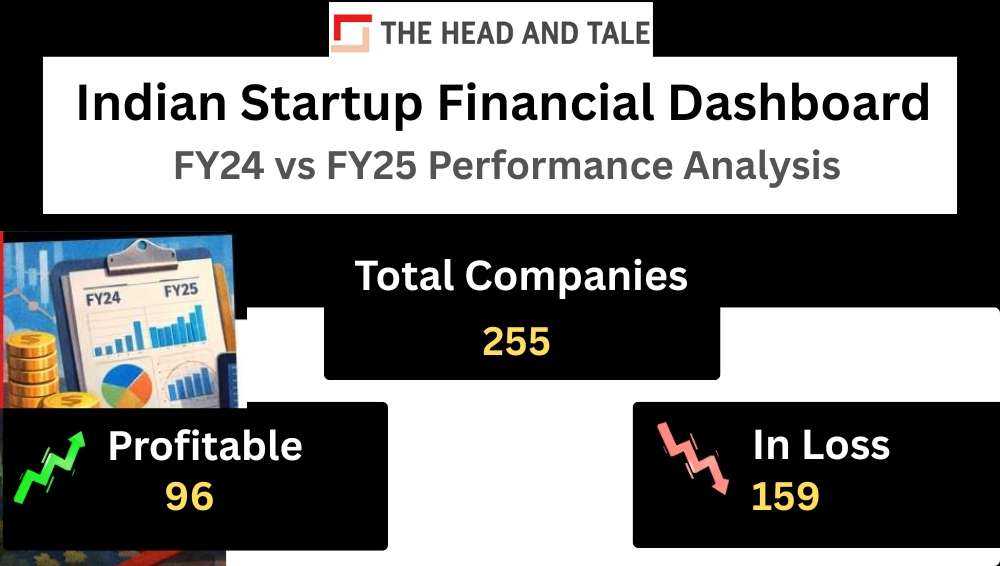
The Head and Tale brings you a dataset highlighting FY25 financials, revenue, expenses and profit & loss of close to 180 startups.
What began as a few distressed sale conversations has now widened into a full-blown consolidation wave in India's offline payments space.