
Budget 2026-27: FM announces Rs 10,000 crore Fund to support MSMEs
01 Feb 2026, 02:29 PMThe union minister also proposed to top up the Self-Reliant India Fund with Rs 2,000 crore to continue support to micro enterprises.
Share the story on



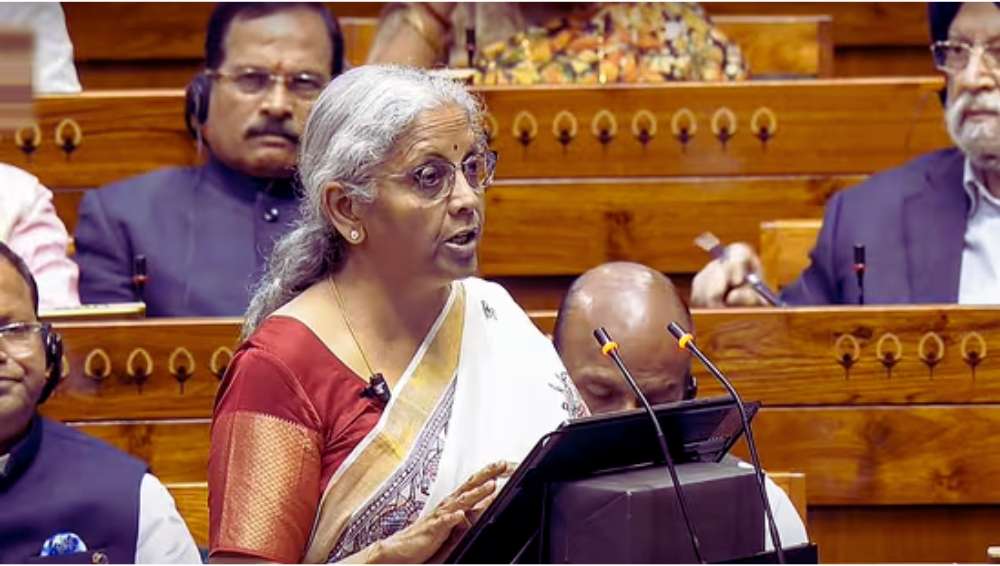
Finance Minister Nirmala Sitharaman announced a dedicated Rs 10,000 crore Equity support MSME (small and medium enterprise) Fund, recognizing MSMEs a vital engine of growth during her Budget 2026-27 speech.
The union minister also proposed to top up the Self-Reliant India Fund set up in 2021, with Rs 2,000 crore to continue support to micro enterprises and maintain their access to risk capital.
Sitharaman said that with TReDS, more than Rs 7 lakh crore has been made available to MSMEs.
To leverage its full potential, she proposed to mandate TReDS as the transaction settlement platform for all purchases from MSMEs by CPSEs, serving as a benchmark for other corporates; introduce a credit guarantee support mechanism through CGTMSE for invoice discounting on TReDS platform; link GeM with TReDS for sharing information with financiers about government purchases from MSMEs, encouraging cheaper and quicker financing; and introduce TReDS receivables as asset-backed securities, helping develop a secondary market, enhancing liquidity and settlement of transactions.
The Government said it also aims to facilitate professional institutions such as ICAI, ICSI, ICMAI to design short-term, modular courses and practical tools to develop a cadre of ‘Corporate Mitras’, especially in Tier-II and Tier-III towns. These accredited para-professionals will help MSMEs meet compliance requirements at "affordable costs."
"The Union Budget 2026 sends a strong signal that India is moving from building digital rails to powering an AI-first economy on top of them. By deepening investments in AI-driven governance and R&D, the government is creating a strong foundation for fintech and the wider digital economy. The new Rs 10,000-crore MSME & SME Growth Fund strengthens this ecosystem by improving access to growth capital for the businesses that fintechs serve and finance, creating a more scalable and resilient market. Lastly, the continued emphasis on regulatory sandboxes and innovation-friendly frameworks will also help fintechs test new models, from Web3 and digital assets to cross-border and next-generation payments, in a safe and supervised environment. This combination of public policy support and private-sector innovation is what will help India lead the next phase of inclusive, technology-driven growth," Arpit Chug, CFO, Razorpay said.
Commenting on the Budget, Ashok Mittal, MD and CEO, BillMart Fintech, said, "Overall, this is a good and balanced Budget, with a clear focus on strengthening the MSME sector, which contributes nearly 30% to India's GDP. The announcement of a dedicated Rs 10,000-crore fund for MSMEs is a strong step and will support faster growth for small and medium enterprises. The measures proposed to strengthen the Trade Receivables Discounting System (TReDS) are equally encouraging, as they address long payment cycles that often stretch to 60-90 days for MSMEs. Mandating TReDS for CPSE purchases, linking GeM with TReDS, and introducing credit guarantees for invoice discounting will help improve cash-flow visibility and ease working-capital pressure. Together, these initiatives will give MSME entrepreneurs greater confidence to focus on scaling their businesses."
"The focus on streamlining financing channels, enhancing liquidity, and integrating digital platforms addresses some of the longstanding operational and funding challenges faced by small businesses. By creating a more predictable and accessible financial environment, these measures not only enable entrepreneurs to plan and scale their ventures with greater confidence but also strengthen the foundations for broader financial inclusion and economic participation," stated Shruti Aggarwal, co-founder at digital lending platform Stashfin.
Gaurav Jalan, founder and CEO, mPokket, added, "The government's three-pronged approach, combining a Rs 10,000 crore SME Growth Fund for scaling high-potential enterprises, performance-linked incentives that reward productivity and formalisation, and a Rs 2,000 crore top-up to the Self-Reliant India Fund for micro enterprises, recognises the very different credit needs across the MSME spectrum. For us, this policy direction strengthens the foundation for responsible business lending, where credit is not just about liquidity, but about enabling formalisation, resilience, and sustainable enterprise growth across India’s MSME ecosystem."
Who Reads Us
“I enjoy reading The Head and Tale for their coverage on the Fintech landscape. The reporting is incisive and honest, and it demonstrates a sharp understanding of the industry and the issues that concern it. I'd like to extend my best wishes to Arti for her continued success.”

“Well-researched, informative and analysis based reporting makes an interesting read. 'The Head and Tale' news portal has been demonstrating this quite well covering fintech and emerging tech sectors. Their timely updates, exclusive stories and different perspectives on these sectors help me stay informed. Kudos to Arti Singh for pursuing her passion and best wishes to the team.”

“The Head and Tale stands out for its deep industry knowledge and impressive network of sources. I especially appreciate that the reporting remains independent, rarely resorting to paid puff pieces, making it a publication I can genuinely trust. Having followed Arti’s work for years, I’ve come to rely on The Head and Tale for its unparalleled insight and truly independent coverage. Arti’s long-standing presence in the sector means her reporting is always informed, with access few can match.”

“What I really appreciate about The Head and Tale is that it doesn’t just report the news, it interprets it. The stories are well-researched, comprehensive, and bold. Arti brings a fearless lens to reporting, often asking the uncomfortable but necessary questions. She makes you pause, reflect, and rethink what it all means for the payments and fintech ecosystem. It’s rare to find journalism that’s this sharp, timely, and relevant to the work we do every day.”

“I’ve always valued journalism that goes beyond surface-level headlines. The Head and Tale does exactly that - it connects the dots, asks the tough questions, and brings clarity to the shifts shaping our evolving industry. I’ve even encouraged my team members to subscribe, because staying informed through credible, deeply reported stories is as important as building products. For me, The Head and Tale has become part of essential reading.”