
GST Council proposes scrapping arrest powers, raises prosecution threshold to Rs 5 crore
To improve cash flows, the Council has proposed faster processing of GST refunds.
 2 min read
The GST Council has recommended removing arrest provisions under the Central GST Act, raising the prosecution threshold from Rs 1 crore to Rs 5 crore and reducing the maximum general penalty from Rs 25,000 to Rs 10,000 as part of measures to simplify compliance and reduce the burden on businesses.
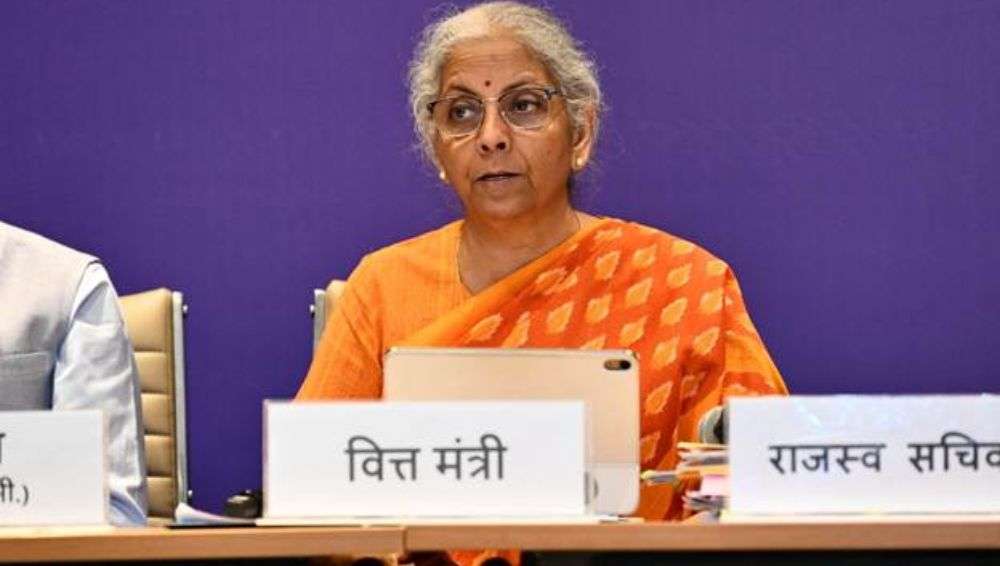
The recommendations were made at the Council’s 57th meeting in New Delhi on October 8, chaired by Union Finance Minister Nirmala Sitharaman.
To improve cash flows, the Council has proposed faster processing of GST refunds. The time limit for issuing an acknowledgement or deficiency memo would be reduced from 15 days to 10 days. Under an automated, risk-based system, 90% of eligible refund claims relating to zero-rated supplies and the inverted duty structure would be sanctioned provisionally without tax officer intervention.
The Council has also recommended simplifying GST registration and cancellation procedures, with most amendments to registration details accepted automatically through the GST portal, subject to specified conditions. Eligible small sellers supplying goods through e-commerce platforms would be able to register in states where they have no physical presence by declaring the platform’s warehouse as their principal place of business.
On enforcement, the Council has proposed restricting the interception of vehicles carrying goods to cases involving specific intelligence and authorisation from an officer not below the rank of Joint Commissioner. It has also recommended expanding refunds of accumulated input tax credit (ITC) on certain capital goods and input services.
Other proposals include removing ITC restrictions on specified expenses such as outdoor catering, health and life insurance, and introducing clearer guidelines for GST notices and adjudication proceedings. The Council has also recommended a minimum threshold of Rs 10,000 for issuing show-cause notices and lower penalties in specified non-fraud cases where tax and interest are paid within the prescribed period.
Separately, the Council has approved in principle an optional Annual Return Quarterly Payment (ARQP) scheme for businesses with annual turnover of up to Rs 5 crore that exclusively supply goods or services to unregistered customers.
The recommendations will be implemented through the relevant notifications, circulars and legislative amendments. Changes to the GST return mechanism are proposed to take effect from the April 2027 tax period, subject to implementation.