
PayU ties up with GoKwik to launch integrated commerce stack for D2C brands
09 Mar 2026, 01:28 PMPayU noted that D2C brands suffer from significant leakage caused by checkout drop-offs, payment failures, and conversion inefficiencies in the final moments of purchase.
Share the story on



Digital payments and lending firm PayU on Monday said it has struck a strategic partnership with venture capital backed e-commerce enabler GoKwik to launch an integrated conversion-to-completion stack.
The partnership aims to create a more integrated commerce layer by combining GoKwik’s conversion intelligence with PayU’s scalable payments infrastructure with focus on boosting the revenue of direct-to-consumer (D2C) brands, said PayU in a statement.
It noted that D2C brands suffer from significant leakage caused by checkout drop-offs, payment failures, and conversion inefficiencies in the final moments of purchase.
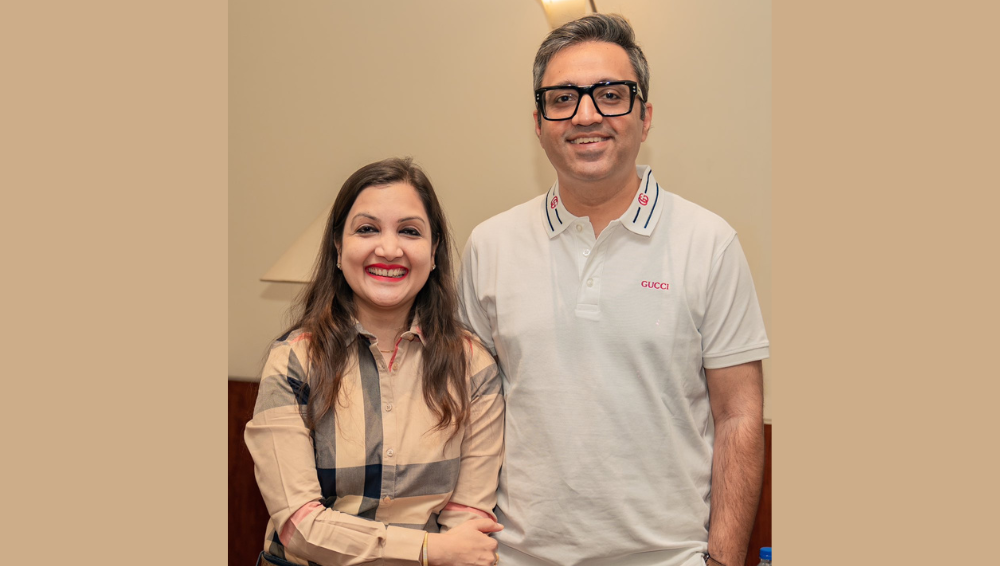
"Across the D2C ecosystem, the demand from founders is clear: they need integrated solutions that solve for payment reliability and checkout conversion in one cohesive layer. This isn’t a hypothetical challenge; it's a measurable drain on potential revenue," noted Vineet Sethi, chief growth and marketing officer, PayU.
Chirag Taneja, CEO, GoKwik, explained that the company has set a benchmark in D2C conversion and checkout optimisation, and its partnership with PayU is a natural extension of that commitment.
GoKwik had raised $13 million in June last year in a funding round led by RTP Global and participation from Peak XV Partners, Z47 and Think Investments.
PayU India reported a 20% jump in revenue from operations to $397 million in the six months ended September 30, 2025 from $331 million in the same period last year. Its payments business grew 20% to $301 million during the period, fuelled by a 55% jump in payment transactions led by UPI (unified payments interface). Value-added services in fraud risk, authentication, and security now account for 34% of PayU's payment business.
The credit business recorded 17% growth to $96 million, driven by $640 million in new loan issuances.
Who Reads Us
“I enjoy reading The Head and Tale for their coverage on the Fintech landscape. The reporting is incisive and honest, and it demonstrates a sharp understanding of the industry and the issues that concern it. I'd like to extend my best wishes to Arti for her continued success.”

“Well-researched, informative and analysis based reporting makes an interesting read. 'The Head and Tale' news portal has been demonstrating this quite well covering fintech and emerging tech sectors. Their timely updates, exclusive stories and different perspectives on these sectors help me stay informed. Kudos to Arti Singh for pursuing her passion and best wishes to the team.”

“The Head and Tale stands out for its deep industry knowledge and impressive network of sources. I especially appreciate that the reporting remains independent, rarely resorting to paid puff pieces, making it a publication I can genuinely trust. Having followed Arti’s work for years, I’ve come to rely on The Head and Tale for its unparalleled insight and truly independent coverage. Arti’s long-standing presence in the sector means her reporting is always informed, with access few can match.”

“What I really appreciate about The Head and Tale is that it doesn’t just report the news, it interprets it. The stories are well-researched, comprehensive, and bold. Arti brings a fearless lens to reporting, often asking the uncomfortable but necessary questions. She makes you pause, reflect, and rethink what it all means for the payments and fintech ecosystem. It’s rare to find journalism that’s this sharp, timely, and relevant to the work we do every day.”

“I’ve always valued journalism that goes beyond surface-level headlines. The Head and Tale does exactly that - it connects the dots, asks the tough questions, and brings clarity to the shifts shaping our evolving industry. I’ve even encouraged my team members to subscribe, because staying informed through credible, deeply reported stories is as important as building products. For me, The Head and Tale has become part of essential reading.”