
Explainer
UPI MDR to be implemented after Diwali
The UPI MDR rollout, which was announced from October 15, will be implemented post Diwali.
Explore the latest news, in-depth reports, and executive analysis tagged with #Mdr.
The UPI MDR rollout, which was announced from October 15, will be implemented post Diwali.
![UPI MDR Delay: PhonePe meets govt officials; NPCI Steering Committee Meeting cancelled today [Exclusive]](/upload/theheadandtale.com/2026/10/1791547094_aa1c7337de_upi_2.jpg)
With NPCI also holding meetings with government departments, uncertainty over the October 15 rollout continues, sources say.
The proposed introduction of a Merchant Discount Rate (MDR) on UPI transactions, which was starting from October 15, is likely to be deferred to January.

The government's decision to reintroduce MDR has triggered a debate among merchants and the payments industry.
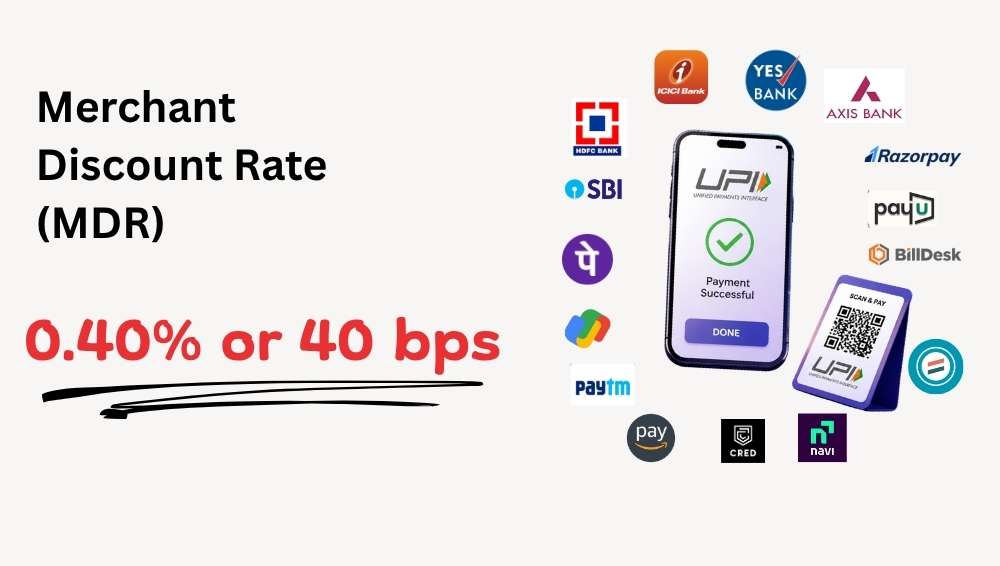
UPI's new 0.4% MDR grabbed headlines, but the real story is who profits. By our estimates, the top three UPI apps could get up to 40% of the MDR split.
The NPCI framework also proposes a flat Rs 5 MDR on UPI transactions above Rs 2,000 for specified merchant categories.
The government has, however, specified that banks and other system providers cannot impose any charge on RuPay-powered debit cards and UPI payments of up to Rs 2,000.
This video captures the economics, the loopholes, who actually wins if MDR returns, and why the government might be playing a longer game than just UPI.
The proposed amendment, tabled by FM Nirmala Sitharaman, marks a shift from the existing legal framework, under which UPI enjoys a statutory exemption from MDR.
In this edition, we revisit the longest-running payments debate i.e. UPI MDR; and we explore what happens when sovereign AI, venture capital and national interest collide.
A quick update on Visa’s move to discontinue the special pricing for utilities; and why TPG's JV with TCS to build AI data centres is not a mere coincidence.
Interestingly, not just payment aggregators, the has decided to charge some large merchants – who use the bank’s UPI directly.
India processed 18.4 billion UPI transactions worth Rs 24.04 lakh crore in June.
While the government insists UPI is free, hidden charges, unsustainable incentives, and industry frustrations tell a different story.